Residential Solar Solutions • Mindanao, Philippines

Power Your Home with Solar

Reduce your electricity bills, gain energy independence, and generate clean energy from the Mindanao sun.

  • Preliminary estimate in 3–5 minutes
  • Grid-tied, hybrid and battery systems
  • Site survey before every installation
Illustration: a Filipino home with rooftop solar, battery, inverter and grid connection Energy flows from the sun to the rooftop solar panels, through a hybrid inverter to the home, to a battery, and to or from the utility grid. Solar panels Hybrid inverter Battery Grid Your home

Energy flow right now illustration

Solar
4.6 kW
Home
2.1 kW
Battery
+1.8 kW
Grid
−0.7 kW

What solar changes at home

Your roof already gets several hours of strong sun most days. Solar turns that into electricity you use first, before buying from the grid.

  • Lower Electricity Bills

    Use solar energy to reduce dependence on grid electricity.

  • Energy Independence

    Generate your own electricity and reduce exposure to rising electricity costs.

  • Battery Backup

    Store excess solar energy for use at night or during outages.

  • Clean Energy

    Generate renewable energy directly from your rooftop.

  • Smart Energy Management

    Monitor solar generation, consumption, battery and grid usage from your phone.

Solar system packages

Starting points to help you compare. They are not one-size-fits-all: your system is designed from your actual consumption and a site survey.

What decides your final system size

Two homes with the same bill can need very different systems. We look at all of these before recommending equipment.

  • Electricity consumption
  • Monthly electricity bill
  • Daytime vs nighttime usage
  • Roof space
  • Roof orientation
  • Roof shading
  • Solar irradiation
  • Inverter configuration
  • Battery requirements
  • Grid connection
  • Your goals

Not sure what size you need? Ask Haraya, our solar guide.

Hybrid or grid-tied with an export limiter?

Two sample set-ups built from the equipment we install. Pick a size to see the parts in each, then weigh the trade-offs.

Sample package

Hybrid with battery

Solar by day, battery at night and during brownouts.

What's inside

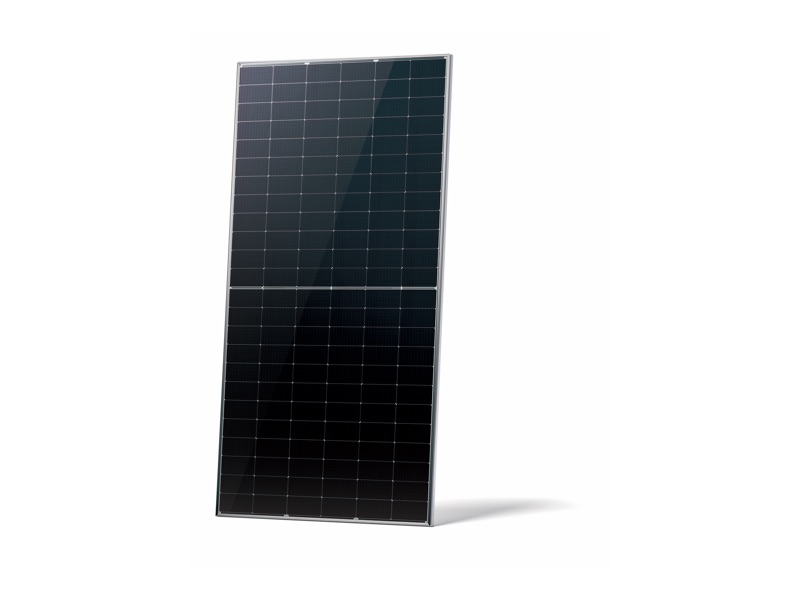
  • Solar panels sized to the system
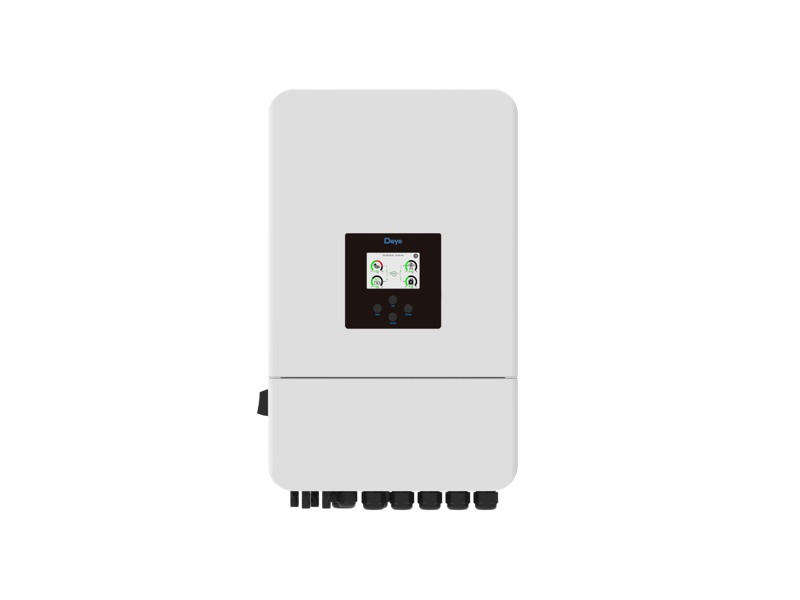
  • Hybrid inverter with battery input
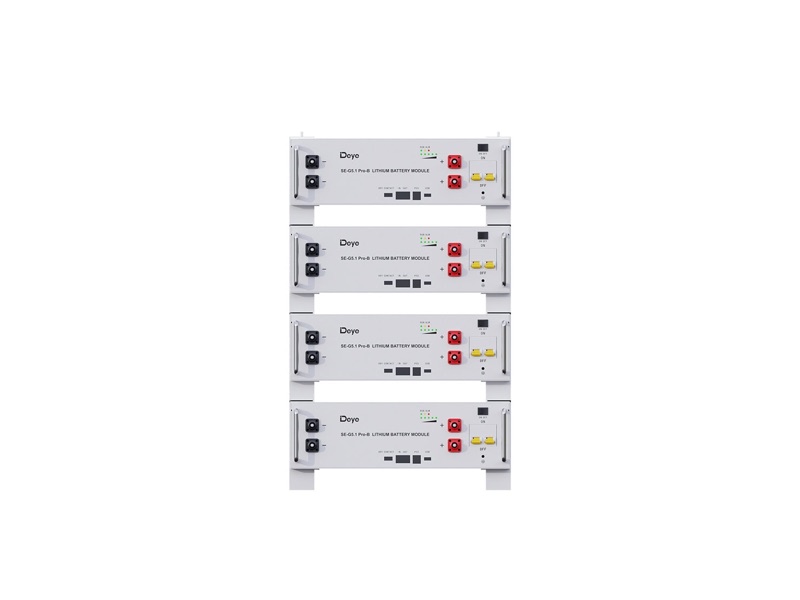
  • 48 V lithium (LiFePO4) battery
  • Backup panel for essential circuits, and a CT sensor to control export
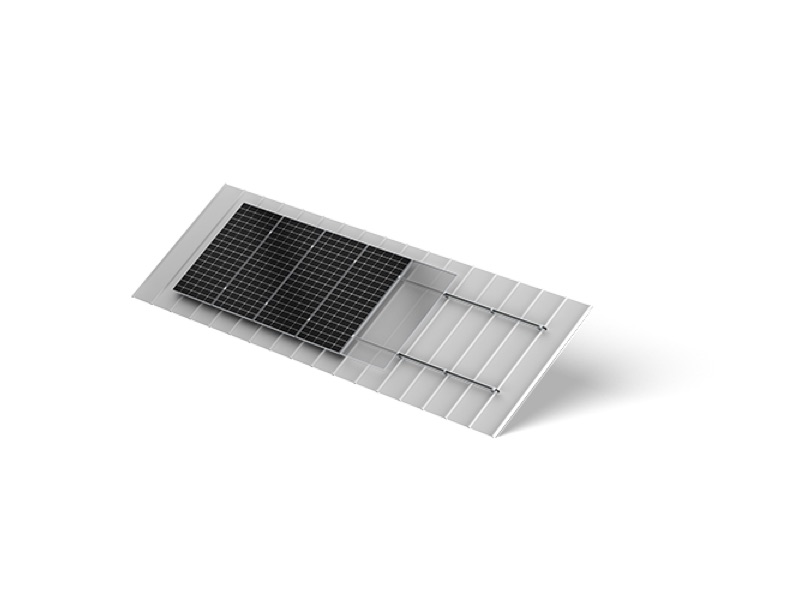
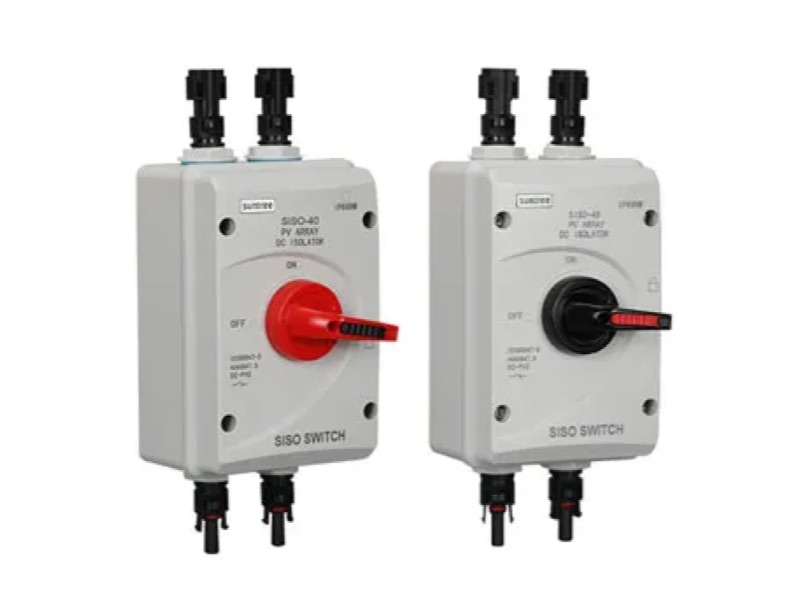
  • Roof mounting, DC and AC protection, Wi-Fi monitoring

Pros

  • Keeps lights, fridge, fans and Wi-Fi running in a brownout. Aircon backup needs a bigger battery and inverter.
  • Stores daytime solar for the evening, so it saves even without net metering.
  • Can run at zero export while net metering is pending.
  • Add battery modules later, up to the inverter's limit.

Cons

  • Costs more upfront. The battery is the biggest single item.
  • Batteries wear out and will need replacing during the life of the panels.
  • Backup time depends on battery size and what you run.
  • Needs a shaded, ventilated spot for the inverter and battery.

Best for: homes with frequent brownouts, high evening use, or work and medical equipment that must stay on.
Sample package

Grid-tied with export limiter

The lowest cost per kW for daytime savings, without sending power to the grid.

What's inside

  • Solar panels sized to the system
  • Grid-tie inverter
  • Export limiter: a meter or CT sensor at your main panel, set to zero or limited export
  • Roof mounting, DC and AC protection, Wi-Fi monitoring

Pros

  • Lowest upfront cost, so payback is usually fastest when most power is used in the daytime.
  • Fewer parts and no battery to maintain or replace.
  • The limiter lets it run before net metering is approved, or where exports are not allowed.
  • Net metering can be added later to earn credit for exports.

Cons

  • No power in a brownout: the inverter switches off for safety when the grid goes down.
  • At zero export, solar you can't use right away is lost, so size it to your daytime load.
  • Evening and night use still comes from the grid.
  • Adding a battery later needs a hybrid inverter or an AC-coupled battery.

Best for: homes, shops, clinics and offices with high daytime use and fairly reliable power.

Sample set-ups for comparison, not quotations. Parts follow our sample lineup and change with stock, your roof and the engineering design. A hybrid inverter can also be installed without a battery and the battery added later.

Ask for a quotation

How it works

From your first estimate to switching on, a residential project follows six steps.

  1. Preliminary estimate

    Ask Haraya or use the calculator to get a first idea of system size and battery options.

  2. Site survey

    We inspect your roof, shading, orientation, electrical panel and where equipment will go.

  3. Design and quotation

    Our engineers prepare a system design and an itemised quotation based on your bills and the survey.

  4. Permits and utility application

    We prepare technical documents for local permits and, if you want it, your net-metering application.

  5. Installation

    Mounting, panels, inverter, battery and protection equipment are installed, usually in 1–3 days on site.

  6. Commissioning and monitoring

    We test the system, set up the monitoring app, and show you how everything works.

Solar panels

Turn sunlight into DC electricity.

Inverter

Converts it into AC power for your appliances.

Your home

Uses solar power first.

Battery

Stores surplus for night-time and brownouts.

Grid

Covers any shortfall, and can receive exports under net metering.

Battery storage

Keep essentials running during brownouts and use more of your own solar after sunset.

  • Battery-ready

    Install a hybrid inverter now and add a battery later, without rewiring.

  • Essential backup

    Commonly 5–10 kWh for a refrigerator, lights, fans and Wi-Fi through typical outages.

  • Extended backup

    15 kWh or more to add an air conditioner, a water pump or longer outages.

LiFePO4 (lithium iron phosphate) is the most common chemistry for home storage thanks to its thermal stability and long cycle life. Wall-mounted, stackable and rack-mounted formats suit different spaces. See battery options

How long could a battery last?

Battery size
Keep these running

Approximate backup time

—

Based on typical appliance ratings, 90% usable capacity and 90% efficiency. Real run-time varies with appliance models and usage.

Recent projects

Examples of systems designed around each household's usage, roof and backup needs.

View all projects

Sample projects with placeholder illustrations. Replace with your completed installations.

Common questions

Straight answers about bills, brownouts and batteries.

Read all FAQs

Can solar reduce my SOCOTECO or Davao Light bill?

Yes. Every kWh your panels supply is a kWh you don't buy from your electric cooperative or distribution utility, such as SOCOTECO I, SOCOTECO II or Davao Light. Savings are highest when you use electricity during the day. Your bill will still include some fixed and other charges, and energy exported under net metering is credited at a lower rate than the retail price.

Can solar work during a power outage?

Only with the right equipment. A grid-tied system without a battery shuts down during a brownout for safety. A hybrid inverter with a battery can keep selected circuits running, such as the refrigerator, lights, fans and Wi-Fi.

Do I need batteries?

Not necessarily. Without a battery you still save on daytime use, and it's the lowest-cost option. A battery makes sense if you have frequent brownouts, use most of your electricity at night, or want more independence. A battery-ready hybrid inverter lets you add one later.

Is net metering available?

Net metering for qualified renewable energy systems (up to 100 kW) is provided for under the Renewable Energy Act of 2008 (RA 9513) and the Energy Regulatory Commission (ERC) net-metering rules. Exported energy is generally credited against your bill at a rate set under those rules, which is lower than the full retail rate. Application requirements, fees and processing times vary by distribution utility and electric cooperative.

Utility and regulatory requirements change. Verify current rules with the ERC and your distribution utility or electric cooperative before installation.

Get a Free Solar Assessment

Start with a preliminary estimate in 3–5 minutes, then book a site survey when you're ready.

Book a Site Survey